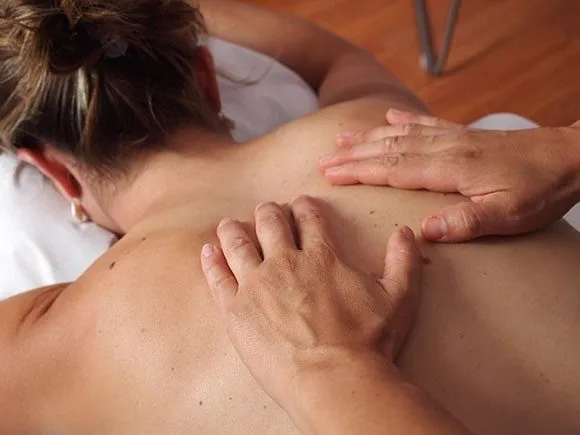
Deep tissue massage is widely used to help muscles recover and feel better by reducing pain and stiffness. It's not just about relaxation; it offers real, tangible benefits for both the body and mind that are unmatched by any other massage technique.
Deep tissue massage concentrates on realigning deep muscle layers and connective tissue. It's particularly beneficial for persistent tension in areas like tight necks, lower back stiffness, and achy shoulders. This massage technique tackles individual physical problems by pinpointing muscle tension and trigger points. As a result, people who obtain a deep tissue massage often report improved flexibility and less pain. Not only is this type of massage great for athletes, but it's also helpful for anyone experiencing chronic pain or muscle tension.
The techniques used in deep tissue massage involve firm, slow strokes and deep pressure on the affected areas. They move against the grain of the muscles and concentrate on specific areas of discomfort and tension. Unlike other massage modalities, deep tissue massage focuses on the deeper tissue structures of the muscle and fascia.
This approach reduces tension in muscle and tissue. It differentiates itself from relaxation massage, which has a primary focus on helping the client relax without necessarily targeting deep-seated physical issues.
Deep tissue massage, on the other hand, is aimed at alleviating deeper tension and providing relief for longer-lasting effects on the body's physical condition. Some of the most common illnesses that can benefit from deep tissue massage include:
In Adelaide, around 9% of the population suffers from arthritis, which can lead to chronic pain and discomfort. This relatively low number is thanks to the prevalence of clinics and wellness centres offering deep tissue massage in the area. This specialised treatment that caters to client's unique needs and conditions provides a range of benefits beyond relief from pain and stiffness.
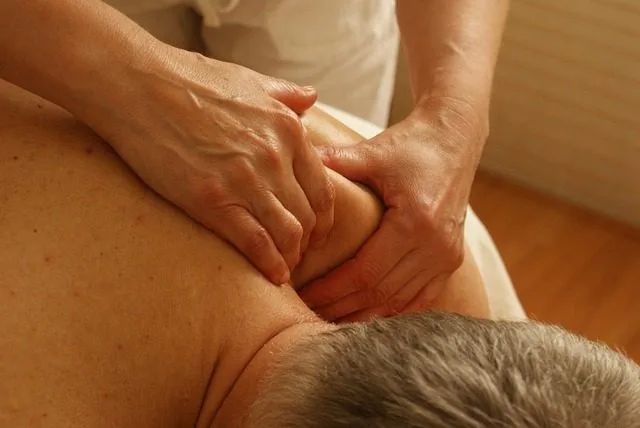
The remedial effects of deep tissue massage extend beyond mere relaxation, engaging directly with the body's deeper layers to provide substantial healing and comfort. Here are several pivotal benefits that underline its therapeutic prowess:
Deep tissue massage targets the deeper layers of muscle tissue, breaking down knots and relieving tension that contributes to chronic stiffness and discomfort.
It is particularly beneficial for individuals suffering from conditions like carpal tunnel syndrome and tennis elbow, as the focused pressure helps reduce inflammation and promote healing.
Ongoing deep tissue massage sessions can correct body posture over time and increase mobility by loosening muscles that are typically stiff and tight from prolonged sitting or physical activity.
While the massage techniques are firm, the result is a significant decrease in stress levels and an enhancement in overall relaxation stemming from deep and focused muscle release.
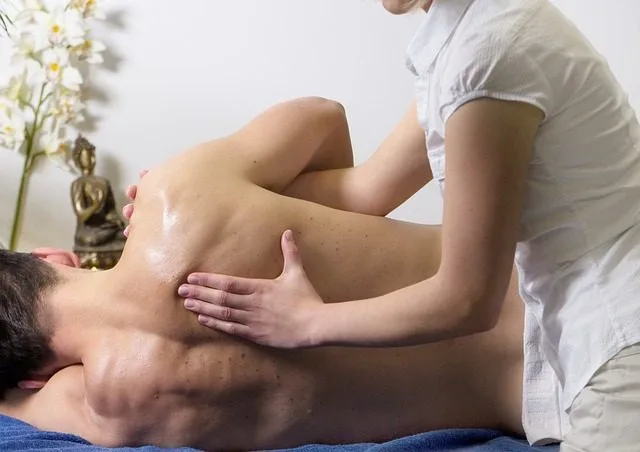
Deep tissue remedial massage incorporates several techniques to address various layers of muscle and connective tissue distress. Each technique serves a unique purpose, targeting specific issues for comprehensive therapeutic results.
The technique of applying firm pressure combined with slow strokes is fundamental in deep tissue massage therapy, focusing on reaching the sub-layers of musculature and fascia. This method is designed not just to relieve surface-level tension but to penetrate the deeper muscle tissues to alleviate chronic muscle pain. The slow application of pressure allows the therapist to access these deeper layers without causing discomfort to the client, facilitating the release of tight, knotted muscles effectively.
Myofascial release techniques focus on relaxing contracted muscles, improving blood and lymphatic circulation, and stimulating the stretch reflex in muscles. Through gentle pressure applied on the skin, therapists can stretch and loosen the fascia— the thin, elastic type of connective tissue that covers most structures within the body, including muscles. However, fascia can become restricted due to trauma, infectious agents, or inactivity. This restriction often results in pain, muscle tension, and corresponding diminished blood flow.
Trigger Point Therapy is an integral component of deep tissue remedial massage, focusing on the identification and treatment of trigger points—localised areas of tension that often manifest as nodules or knots in the muscles. These points are highly sensitive and can cause pain, not only in the local area but also in referred patterns affecting distant anatomical locations. The goal of Trigger Point Therapy is to relieve pain via cycles of isolated pressure and release. This process requires active participation from the client, who must breathe deeply and identify the exact location and intensity of the discomfort.
Neuromuscular techniques are a critical aspect of deep tissue remedial massage, aimed at restoring balance and alignment in the body's musculoskeletal system. This approach integrates the principles of neuroscience with specific massage practices to treat underlying causes of chronic pain and structural misalignment. It focuses on the relationship between the nervous system and the muscular system, addressing how this interaction contributes to patterns of pain and dysfunction. Neuromuscular massage therapy utilises strategic manual pressure and friction to release areas of strain in the muscle.