ACL reconstruction rebuilds the torn anterior cruciate ligament using a graft, restoring knee stability and allowing return to sport — usually within 9–12 months.
The anterior cruciate ligament (ACL) is one of the two cruciate ligaments inside the knee. It is the primary restraint to forward movement of the shin bone relative to the thigh bone, and controls rotational stability — which is why ACL injuries are so disabling for sportspeople.
In many cases, the ACL cannot heal itself when torn. Reconstruction replaces it with a tendon graft — usually taken from your own hamstring or patellar tendon — which is threaded through tunnels drilled in the femur and tibia and fixed in position. Over 9–12 months, the graft matures and becomes a functional ACL substitute.
Not everyone with an ACL tear requires surgery. Some patients — particularly older, less active individuals — do well with physiotherapy and activity modification. Dr Mooney will discuss your options honestly at your consultation.
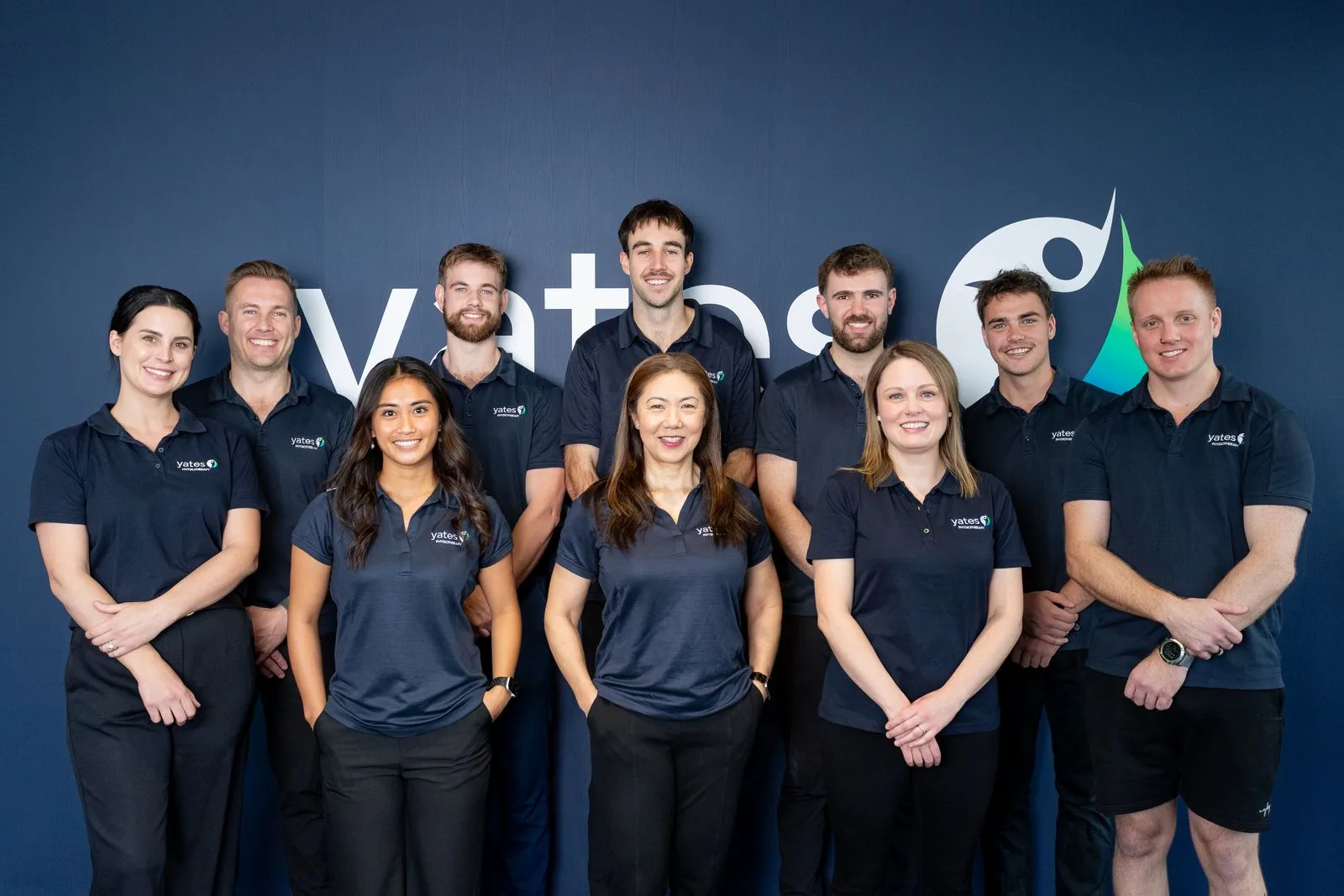
I had a truly exceptional experience with the outstanding team at Yates Physiotherapy. From start to finish, their care and professionalism to support me through my injury was outstanding. The physiotherapists went above and beyond to support me throughout my surgical process—not only providing expert recommendations, but also taking the initiative to assist with appointment scheduling. Their genuine concern for my recovery, combined with their deep knowledge and hands-on support, made a stressful time much more manageable. I can't thank them enough and would highly recommend Yates Physiotherapy
All the staff at Yates Physiotherapy are unbelievably friendly helpful, supportive and encouraging. No matter who you see, they operate as a team, so that you have ongoing care.
I would not hesitate to recommend any of their services.
Awesome new Clinic with brand new gear and a nice clean space. Both Ryan and Jackson are the guys you want to see if you need physio, no doubt they'll be able to help you. Thanks for the help Yates, I'll be back
Wonderful staff and very high tech facilities. Would recommend for sports related injuries.
Great experience visiting the Yates physio team. A very knowledgeable group and the new unley practice looks amazing.
From the time you walk in, you are made feel at ease in a calm and friendly environment. Brad is patient, listens and he will take the time that is required to assess and explain in a way that you are able to understand.
He will design with you a realistic plan, that you are able to follow and build upon with confidence to assist you with your recovery. The support is still there even after you leave your appointment, if required.
Thank you so much.
Had my first visit with Yates Physiotherapy and was really impressed. The team was friendly, professional, and incredibly knowledgeable which made me feel comfortable right away. Ryan took the time to understand my issue, explained things clearly, and the treatment made a noticeable difference. Highly recommended!
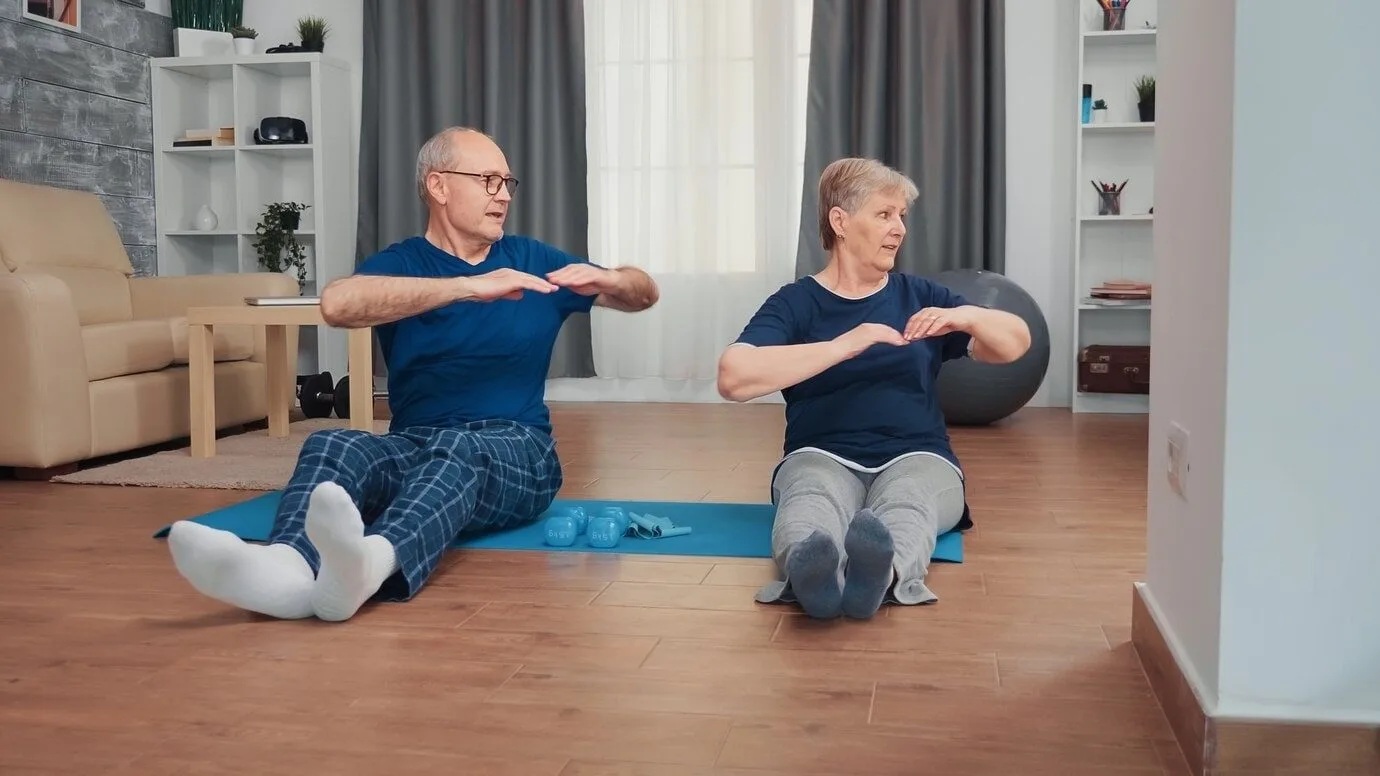
I've been part of the GLAD program for 24 weeks and can feel the improvement in strength and movement in my body. The 12 week review brings out the individual needs of the person through base line testing and setting new focus in the program. Thanks Jack and Jacob for the music and encouragement to challenge ourselves
I can not recommend Yates Physio highly enough! From the very first appointment, they were professional, knowledgeable and genuinely invested in helping me recover. The Physio took the time to thoroughly assess the issue, clearly explain what was going on, and outline a treatment plan that felt realistic and achievable. He was encouraging, patient, and always happy to answer questions, which made the whole process feel supportive and reassuring.
I'm feeling stronger, more confident, and well on the way to full recovery. Five stars without hesitation! Thanks team!
Went to Yates new studio on KWR today. Terrific studio with ALL the latest tech gear. Congrats Brad. A credit to you and your yeam
ACL reconstruction is performed arthroscopically — through small keyhole incisions — under general anaesthesia. Dr Mooney first assesses the knee thoroughly, addressing any associated meniscal or cartilage pathology at the same time.
The graft is harvested (typically hamstring tendons or patellar tendon), prepared, and passed through tunnels drilled in the femur and tibia. The graft is tensioned and fixed at each end. The operation typically takes 60–90 minutes.
Crutches and brace. Range of movement exercises starting.
Progressive weight bearing. Brace weaned. Physiotherapy for swelling and quadriceps activation.
Walking normally. Stationary cycling. Return to light manual work.
Jogging programme beginning. Agility and proprioception training.
Return to non-contact training. Strength testing. Graft maturation continuing.
Return to full competition for most patients, once strength and functional testing criteria are met.
Not necessarily. Some patients manage well without surgery, particularly those who are less active or older and whose knee is otherwise stable. Dr Mooney will give you an honest assessment of the risks and benefits.
Both produce reliable ACL reconstruction outcomes. The choice depends on your anatomy, your sport, and your preferences. Dr Mooney will discuss this with you at your consultation.
Return to sport typically takes 9–12 months. This timeline reflects the biology of graft maturation, not just pain recovery. Returning too early significantly increases re-tear risk.
The re-tear rate is approximately 5–10% overall, higher in young athletes returning to pivoting sport. Completing the full rehabilitation programme and meeting objective strength criteria before return to sport reduces this risk significantly.
Fees are based on AMA recommended rates. Call the rooms for a fee estimate.